
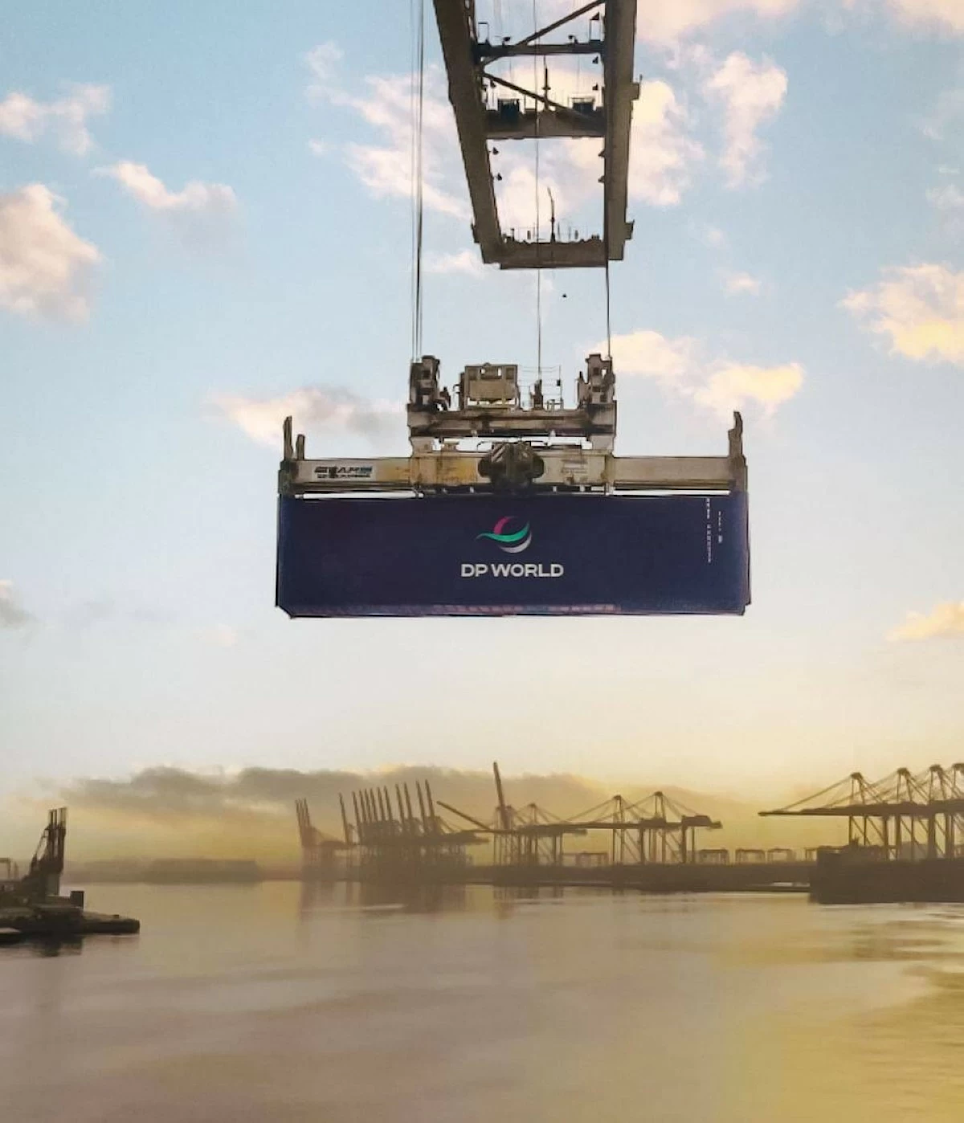
DP World has introduced a dedicated cargo war-risk insurance product designed to provide continuous, end-to-end coverage for shipments moving across Middle East trade corridors, addressing long-standing protection gaps in conventional cargo insurance structures amid heightened regional trade uncertainty.
The Dubai-headquartered logistics group said the new programme offers integrated protection across sea, air, port storage, and inland transport segments under a single policy framework. The solution is targeted at companies trading in or through the Middle East and is intended to improve risk management across increasingly complex and multi-leg supply chains.
Continuous Coverage Across the Entire Logistics Chain
Unlike traditional insurance models that typically cover only individual legs of a shipment, DP World’s new offering provides uninterrupted coverage from origin to final destination.
Related Post



The policy applies to physical loss or damage arising from war-related risks, including armed conflict, civil unrest, seizure, and derelict weapons. According to the company, valid claims under the programme are settled with zero deductible, offering businesses greater financial certainty in high-risk environments.
Shippers can choose between a fully integrated end-to-end policy or standalone coverage options for ocean, air, or land transport segments, depending on operational requirements.
The product also includes automatic port storage coverage of up to 14 days, addressing one of the most exposed phases in global logistics chains where goods are often temporarily held before customs clearance or onward transport.
Coverage limits extend up to USD 400 million per shipment and USD 1 million per inland movement, reflecting the scale of high-value cargo flows moving through regional logistics hubs.
Addressing Coverage Gaps in High-Risk Trade Corridors
DP World stated that the initiative is designed to support trade continuity across key regional corridors, including the Arabian Gulf, the Red Sea, and interconnected inland logistics routes.
The company highlighted that traditional cargo insurance structures often leave critical gaps in coverage, particularly during transitions between transport modes. In many cases, insurance protection ends once cargo is discharged at a port, exposing shipments to risk during storage and inland distribution phases.
Carriers themselves typically exclude war-related risks from liability coverage, meaning responsibility for such exposures generally falls on shippers or insurers.
End-to-End Protection Across Complex Supply Chains
To illustrate the operational model, DP World cited a typical shipment flow from Asia into the Middle East. Cargo arriving by sea at Jebel Ali Port is often stored temporarily at port facilities before customs clearance and onward transport by road to inland destinations.
Under conventional insurance arrangements, coverage may apply only during the ocean transit phase, leaving gaps during port handling and inland movement.
Under DP World’s integrated solution, a single policy provides continuous protection throughout the entire logistics journey—from entry into a designated war-risk zone through to final delivery at the consignee’s location.
Enhancing Risk Management in Volatile Trade Environments
The launch comes at a time when global supply chains continue to face elevated geopolitical uncertainty, with increased focus on trade route resilience and insurance protection for critical freight corridors.
By consolidating multi-modal coverage into a single framework, DP World aims to reduce administrative complexity, improve claims clarity, and enhance operational confidence for cargo owners operating in volatile regions.
The company said the initiative reflects its broader strategy of integrating logistics infrastructure with value-added services to support global trade flows and strengthen supply chain resilience across its network.
As regional and international trade routes continue to evolve under geopolitical and economic pressure, demand for comprehensive, end-to-end risk solutions is expected to grow, particularly among shippers handling high-value and time-sensitive cargo.