
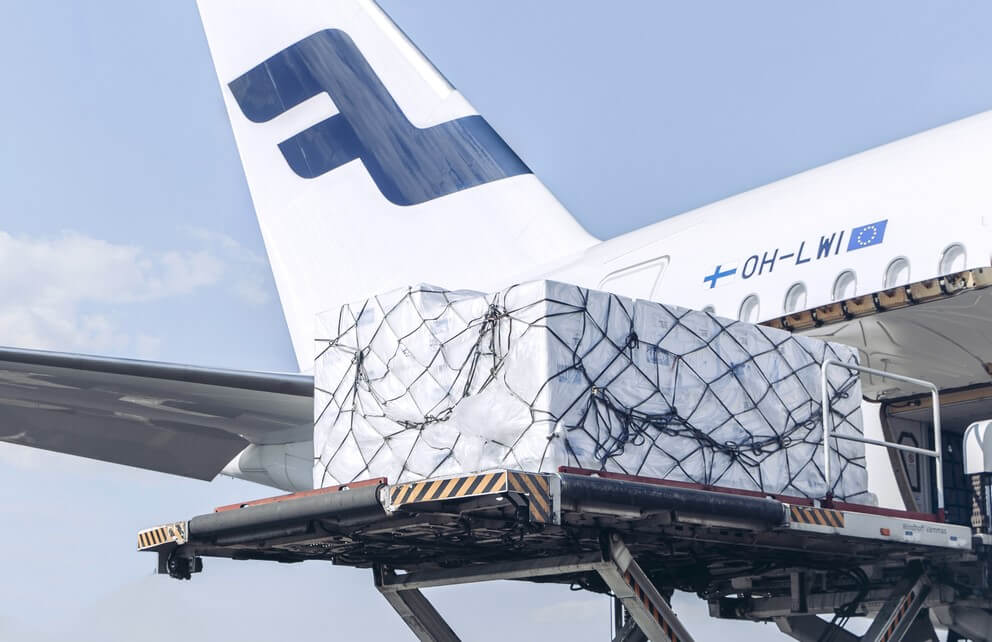
Finnish flag carrier Finnair delivered solid cargo and passenger growth in May 2026, demonstrating the resilience of its network and freight operations despite ongoing geopolitical challenges that continue to impact services to the Middle East.
The airline reported higher cargo volumes, increased freight traffic, and improved operational performance during the month, supported by robust demand across its European and Asian markets. The results underscore the importance of cargo within Finnair’s broader business strategy as the carrier continues to strengthen its position as a key air bridge between Europe and Asia.
Cargo Demand Remains Resilient
Finnair’s cargo business maintained positive momentum throughout May, with total freight volumes reaching 13,024.3 tonnes, representing a year-on-year increase of 4.3%.



For the first five months of 2026, cumulative cargo volumes rose 4.5% to 59,176.8 tonnes, highlighting the continued strength of demand across the carrier’s network despite a volatile global operating environment.
The airline also recorded growth in Revenue Cargo Tonne Kilometres (RCTKs), one of the most widely used indicators of air cargo performance. RCTKs increased by 4.8% year-on-year during May to 79.3 million, while cumulative RCTKs for the January–May period climbed 5.3% to 361.7 million.
The increase reflects both higher shipment volumes and stronger utilization of available cargo capacity across the network.
Asia Continues to Drive Cargo Growth
Asia remained Finnair’s strongest cargo market during May, reinforcing the region’s strategic importance to the airline’s long-term growth plans.
Cargo volumes between Europe and Asia reached 7,945 tonnes during the month, representing a significant 14.3% increase compared with May 2025.
For the first five months of the year, Asian cargo traffic totaled 34,842.3 tonnes, up 12.6% year-on-year.
The performance reflects continued demand for high-value and time-sensitive shipments moving between major manufacturing centres in Asia and consumer markets across Europe. Electronics, pharmaceuticals, industrial components, e-commerce products, and specialized cargo continue to support strong freight flows on these routes.
Finnair has historically maintained a strong position in Europe-Asia cargo markets, leveraging its geographic location and network structure to facilitate efficient connections between the two regions.
European Cargo Volumes Accelerate
The airline also reported strong growth within its European cargo network.
European freight traffic increased by 15% year-on-year in May to 3,177.3 tonnes, making it one of the fastest-growing segments within Finnair’s cargo portfolio.
During the January-May period, European cargo volumes reached 13,704.2 tonnes, representing growth of 13.2%.
The increase reflects healthy regional trade activity and growing demand for intra-European logistics solutions as supply chains continue to normalize following several years of disruption across global transport markets.
North Atlantic Market Shows Stable Performance
Cargo traffic on North Atlantic routes remained relatively stable during the month.
Finnair transported 1,880 tonnes of freight between Europe and North America in May, representing a modest decline of 1.4% compared with the same period last year.
However, cumulative cargo volumes on North Atlantic routes increased by 3.7% during the first five months of 2026, reaching 7,788.4 tonnes.
The performance suggests that despite increased competition and evolving trade patterns, demand remains broadly healthy across the transatlantic market.
Middle East Suspension Impacts Cargo Volumes
The only significant decline within Finnair’s cargo portfolio came from Middle Eastern operations.
Cargo volumes on Middle East routes fell to zero during May following the suspension of services linked to regional geopolitical tensions and airspace disruptions.
As a result, cumulative cargo traffic to and from the region declined by 54.2% year-on-year during the first five months of 2026, totaling 2,731.3 tonnes.
The suspension reflects broader operational challenges faced by airlines serving the region, where geopolitical uncertainty continues to affect flight planning, network deployment, and capacity availability.
Despite the loss of Middle Eastern cargo volumes, strong growth across Europe and Asia more than compensated for the shortfall, allowing Finnair to maintain overall positive cargo performance.
Cargo Remains Central to Finnair’s Strategy
Air cargo continues to represent a strategically important component of Finnair’s business model, particularly on long-haul routes where bellyhold freight provides a valuable source of revenue alongside passenger operations.
The airline’s extensive network linking Europe and Asia has traditionally enabled it to capitalize on demand for premium, time-sensitive, and high-value cargo shipments.
As global supply chains continue to evolve, carriers with strong cargo capabilities are increasingly benefiting from diversified revenue streams that help offset volatility in passenger markets.
Finnair’s latest results highlight the effectiveness of this balanced business model.
Operational Reliability Improves Ahead of Peak Season
Beyond cargo performance, Finnair also reported improvements in operational reliability.
The airline achieved an on-time arrival rate of 82.8% during May, compared with 80.6% in the same month last year.
The improvement comes as airlines across Europe prepare for the peak summer travel season, traditionally one of the busiest periods for both passenger and cargo operations.
Maintaining schedule reliability is becoming increasingly important as airlines seek to optimize aircraft utilization, improve customer satisfaction, and enhance cargo service quality.
Strong operational performance is particularly critical for time-sensitive freight sectors such as pharmaceuticals, perishables, electronics, and express shipments, where schedule integrity directly influences supply chain performance.
Positive Outlook Despite Industry Challenges
Finnair’s May performance demonstrates the resilience of its network and business model despite continuing geopolitical disruptions and evolving market conditions.
The combination of strong Asian demand, expanding European freight volumes, stable transatlantic activity, and improved operational performance positions the carrier well for the traditionally busy summer period.
While challenges remain, particularly regarding Middle Eastern operations and broader geopolitical uncertainty, Finnair’s cargo business continues to deliver steady growth and remains an important contributor to the airline’s overall performance.
With Europe-Asia trade flows showing continued strength and cargo demand remaining resilient, the airline appears well placed to capitalize on opportunities in key international freight markets during the remainder of 2026.