
As global supply chains adapt to geopolitical uncertainty, evolving trade corridors, and growing sustainability expectations, cargo carriers are increasingly being judged not by short-term capacity additions, but by the resilience and scalability of their long-term investments. Against this backdrop, Air Canada Cargo is advancing a multi-year growth strategy centered on fleet modernization, network scale, infrastructure expansion, and operational flexibility—positioning the carrier for sustained relevance across global freight markets.
Operating as the cargo division of Air Canada, Air Canada Cargo currently combines dedicated freighter operations with the extensive bellyhold capacity of the airline’s passenger network, giving customers access to more than 450 destinations across over 50 countries on six continents through direct services, interline partnerships, and trucking connectivity. The hybrid operating model continues to provide shippers with network flexibility, schedule frequency, and access to major global trade lanes spanning North America, Europe, Asia-Pacific, Latin America, and the Middle East.
At the core of Air Canada Cargo’s long-term strategy is an ambitious fleet renewal program designed to strengthen long-haul performance while improving operating efficiency and emissions intensity.
Related Post


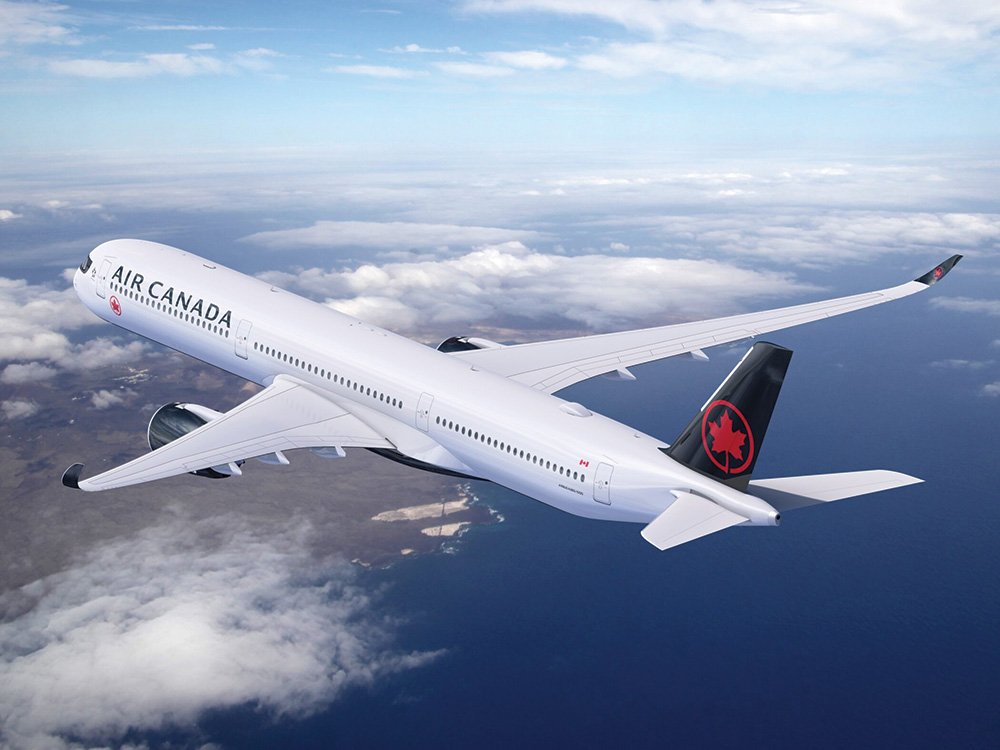
Air Canada has confirmed a major fleet modernization initiative that will see more than 78 aircraft introduced between 2026 and 2030 and beyond, including 14 Boeing 787-10 Dreamliners and eight Airbus A350-1000 aircraft, with purchase rights for an additional eight A350s. The airline formally disclosed its A350-1000 order in February 2026, describing the aircraft as a cornerstone of its next-generation global network strategy.
For cargo operations, the introduction of these next-generation widebody aircraft is expected to deliver substantial benefits. The Boeing 787-10 provides improved fuel efficiency, higher payload economics, and enhanced belly cargo capability across medium- and long-haul sectors, while the Airbus A350-1000 offers ultra-long-range performance, increased cargo payload, and significantly lower emissions intensity per tonne-kilometer—factors becoming increasingly critical as airlines balance sustainability targets with network profitability.
Air Canada’s Executive Vice President, Chief Commercial Officer, and President of Cargo, Mark Galardo, said the A350-1000 would play a central role in the airline’s future long-haul development, enabling connectivity to high-growth international markets while improving operational economics.
Beyond fleet renewal, Air Canada Cargo continues to focus on strategic deployment rather than rapid route proliferation. Instead of pursuing aggressive point-to-point expansion, the carrier has adopted a counter-seasonal freighter deployment strategy, positioning dedicated cargo aircraft in markets where passenger capacity may fluctuate seasonally. This approach allows the airline to maintain year-round cargo reliability across critical trade lanes, particularly for time-sensitive and high-value shipments such as pharmaceuticals, perishables, aerospace components, electronics, and industrial manufacturing cargo.
Infrastructure investment forms another key pillar of the company’s growth blueprint.
Air Canada Cargo has continued expanding and upgrading handling facilities across its global network, with significant investment directed toward its primary cargo hub at Toronto Pearson International Airport. Facility enhancements include improved throughput capacity, upgraded temperature-controlled handling environments, and expanded specialized cargo infrastructure designed to support growing volumes of pharmaceutical products, perishables, advanced manufacturing components, and e-commerce shipments.
The Toronto investment aligns with broader market demand for resilient cold-chain infrastructure and compliant handling capabilities, particularly as life sciences and healthcare supply chains increasingly depend on air freight for global distribution.
Air Canada Cargo’s freighter fleet, currently built around converted Boeing 767 freighters, continues to complement passenger belly capacity while providing dedicated lift in strategic cargo markets. Together with the incoming widebody passenger aircraft, this combination gives the carrier a scalable platform capable of serving both scheduled and seasonal demand across major intercontinental trade corridors.
The airline’s long-term strategy also reflects confidence in Canada’s role as a strategic transatlantic and transpacific logistics gateway. With major hubs in Toronto, Montreal, and Vancouver, Air Canada Cargo is well positioned to support trade flows between North America, Europe, Asia, and emerging Indo-Pacific markets.
As global air cargo enters a period increasingly defined by network resilience, sustainability, and infrastructure readiness, Air Canada Cargo’s investments in fleet, facilities, and operational flexibility underscore its intention to remain a major force in international freight transportation well into the next decade.