
Multimodal Airlift Connects Europe, Kenya and Bunia to Overcome Infrastructure Constraints and Support Humanitarian Operations
Astral Aviation has successfully commenced the delivery of 100 tonnes of critical humanitarian relief supplies to Bunia in the eastern Democratic Republic of the Congo (DRC), demonstrating the vital role of air cargo partnerships in reaching remote and infrastructure-constrained destinations. The operation combined long-haul and regional freighter capabilities through a coordinated logistics chain involving multiple industry partners, ensuring life-saving aid reached one of Africa’s most challenging humanitarian environments.
Astral Aviation has launched a major humanitarian airlift operation to transport 100 metric tonnes of essential relief supplies to Bunia in the Democratic Republic of the Congo (DRC), reinforcing the critical role of air cargo in supporting emergency response and humanitarian missions across Africa.
Related Post

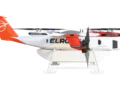
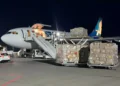
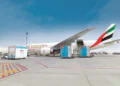
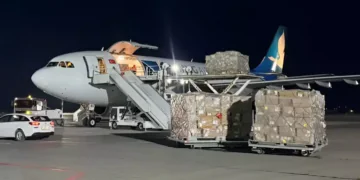
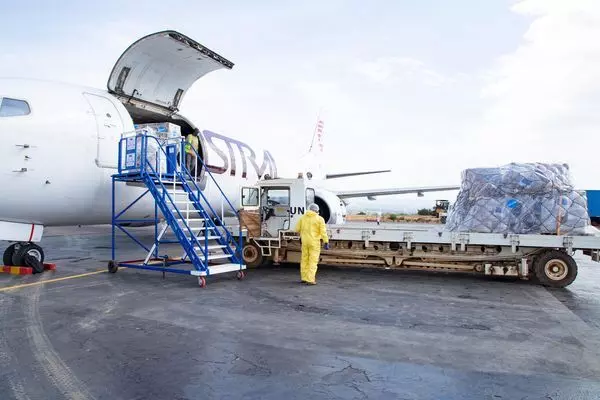
The Nairobi-based cargo airline deployed its Boeing 737-400 Freighter to move the aid from Kenya to Bunia, following the arrival of the cargo from Europe aboard a Boeing 747 freighter operated by its interline partner, Network Airline Services. The relief supplies originated in Europe and were flown from Liège, Belgium, to Nairobi before being transferred to Astral Aviation for final delivery into eastern DRC.
The operation highlights the growing importance of strategic partnerships, multimodal logistics solutions and regional freighter networks in overcoming infrastructure limitations that often restrict access to humanitarian destinations across Africa.
Tailored Logistics Solution Overcomes Airport Limitations
The humanitarian mission required a customised logistics approach due to operational constraints at Bunia Airport, which is unable to accommodate widebody freighter aircraft such as the Boeing 747.
To address this challenge, Astral Aviation and its partners developed a multimodal air cargo solution that leveraged the long-haul capabilities of the Boeing 747 for intercontinental transport into Nairobi and Astral’s regional Boeing 737-400 Freighter for the final leg into Bunia.
This coordinated air bridge enabled the efficient movement of critical humanitarian supplies into a region where transport infrastructure remains limited and where rapid access to relief materials is often essential.
Industry experts note that such integrated logistics models are becoming increasingly important in humanitarian supply chains, particularly in Africa, where remote locations frequently require flexible transport solutions capable of bridging infrastructure gaps.
Collaboration Drives Humanitarian Success
Astral Aviation emphasized that the successful execution of the operation was made possible through extensive collaboration across the logistics and aviation ecosystem.
The carrier acknowledged the support of key partners including Scan Global Logistics, AVICO Group, Network Airline Services, Celebi Aviation, airport authorities, regulators and various operational stakeholders involved in coordinating the complex shipment.
According to the airline, the mission underscores how effective partnerships across the air cargo value chain can accelerate humanitarian response efforts and ensure aid reaches vulnerable communities without delay.
Sanjeev Gadhia, Chief Executive Officer of Astral Aviation, highlighted the significance of collaboration in humanitarian logistics.
“This operation highlights the importance of strong partnerships across the air cargo and logistics value chain. No single organisation can address humanitarian challenges alone,” said Gadhia.
“The successful movement of these relief supplies from Europe to Eastern DRC reflects the power of collaboration between airlines, freight forwarders, logistics specialists, airport stakeholders and humanitarian partners working towards a common objective.”
His comments reflect a broader industry trend in which humanitarian organisations increasingly rely on coordinated logistics networks to ensure rapid deployment of emergency supplies to crisis-affected regions.
Air Cargo Remains Critical for Humanitarian Response
The Democratic Republic of the Congo continues to face complex humanitarian challenges, including displacement, food insecurity, health emergencies and infrastructure constraints, making reliable air transport a crucial component of relief operations.
In many parts of the country, road networks remain limited or inaccessible, particularly during adverse weather conditions. As a result, air cargo often provides the fastest and most dependable means of transporting medical supplies, food aid, shelter materials and emergency equipment to affected populations.
The latest operation further demonstrates the strategic role that dedicated cargo airlines play in supporting humanitarian organisations, governments and international aid agencies working in challenging environments.
Strong Legacy in Humanitarian Logistics
Astral Aviation has established itself as one of Africa’s leading humanitarian logistics providers, with extensive experience supporting emergency response operations across the continent.
Over the years, the airline has transported critical medical supplies, vaccines, personal protective equipment (PPE), pharmaceuticals and relief cargo during major public health emergencies and humanitarian crises.
Its operations have included support for Ebola response programmes, COVID-19 relief missions and cholera outbreak interventions in multiple African countries.
This experience has enabled the carrier to develop specialised expertise in managing time-sensitive humanitarian shipments while operating in regions with complex logistical and regulatory requirements.
Safety, Compliance and Operational Integrity Remain Central
Astral Aviation stressed that safety, security and regulatory compliance remain at the core of all humanitarian operations.
The airline worked closely with aviation authorities, public health agencies, airport operators and ground handling partners in both Kenya and the Democratic Republic of the Congo to ensure compliance with all operational, safety, security and biosecurity regulations.
Philip Omondi, Head of Safety and Quality at Astral Aviation, noted that maintaining high operational standards throughout the mission was a key priority.
According to Omondi, the airline implemented stringent procedures covering cargo handling, aircraft operations, crew welfare and regulatory compliance to ensure the shipment was transported safely and efficiently at every stage of the journey.
The focus on operational integrity reflects increasing expectations among humanitarian agencies and logistics providers for robust compliance frameworks when delivering aid into sensitive and often high-risk environments.
Strengthening Humanitarian Supply Chains Across Africa
The Bunia airlift demonstrates how African cargo airlines are playing an increasingly important role in strengthening humanitarian supply chains across the continent.
By combining regional expertise, specialised freighter fleets and strong international partnerships, carriers such as Astral Aviation are helping bridge critical logistics gaps and improve access to remote communities.
As humanitarian needs continue to evolve across Africa, industry stakeholders are expected to place greater emphasis on resilient transport networks capable of delivering aid quickly, safely and reliably.
The successful completion of the Bunia operation reinforces the importance of collaboration between airlines, freight forwarders, airport operators and humanitarian organisations in ensuring life-saving assistance reaches those who need it most.
For Astral Aviation, the mission represents another example of how air cargo can serve not only as a commercial enabler but also as a vital humanitarian lifeline connecting global aid resources with communities facing urgent challenges.