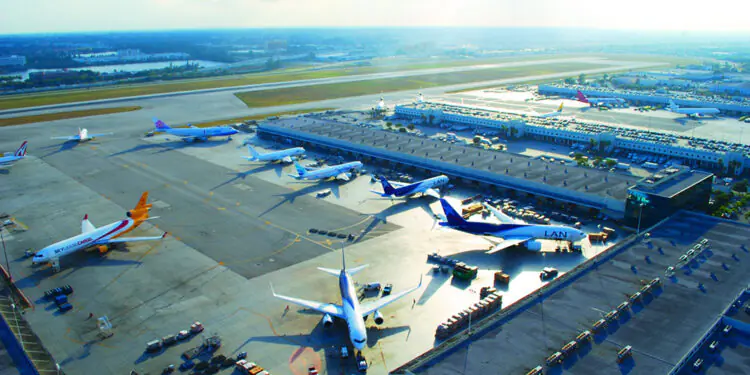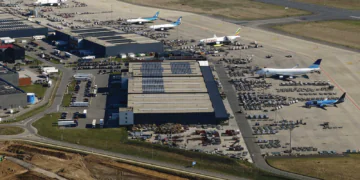

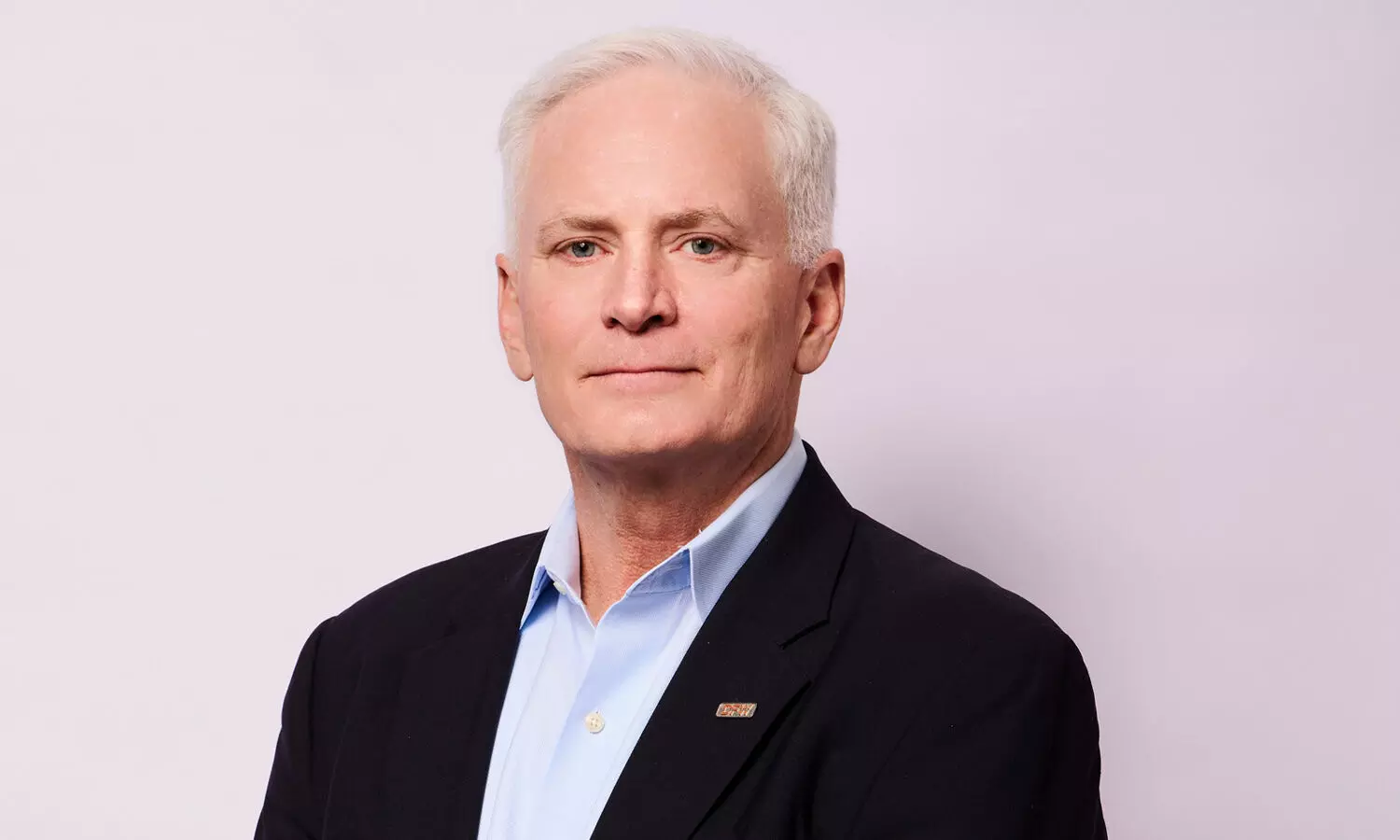
Dallas-Fort Worth International Airport (DFW) is set for a transformative period of growth, with cargo operations and infrastructure development at the core of its strategic roadmap. Chris McLaughlin, who assumed the role of CEO in May 2025, is spearheading a $12 billion capital programme designed to modernize terminals, expand cargo capacity, and integrate advanced technology across the sprawling 17,000-acre (27-square-mile) airport campus.
Leadership Transition and Continuity
McLaughlin took over from Sean Donohue, DFW’s 13-year CEO, emphasizing continuity and relationship-building as guiding principles. “The board’s directive was clear: don’t screw it up,” McLaughlin reflected. He has prioritized global engagement, including visits to major cargo hubs such as Mumbai, to evaluate best practices and explore potential partnerships.
Airport Scale and Operational Footprint
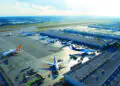
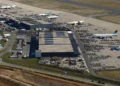
DFW ranks as the world’s third busiest commercial airport, featuring seven runways, five passenger terminals, three hotels, and even a golf course. In 2025, the airport handled over 86 million passengers and approximately 2,200 daily flights, demonstrating its dual role as a major passenger and cargo hub.
Related Post


$12 Billion Capital Programme
The airport’s multi-year capital programme encompasses a broad array of projects aimed at increasing capacity and operational efficiency:
- Rebuilding Terminal C entirely
- Expanding gates in existing terminals and constructing Terminal F with 31 gates, including eight wide-body international gates
- Refurbishing runways and overhauling roadways
- Developing new cargo facilities, including cold storage and fumigation centers
McLaughlin describes the programme as “an amazing undertaking” that will increase airport capacity by 20%, accommodating projected passenger growth and surging cargo volumes.
Cargo as a Strategic Driver
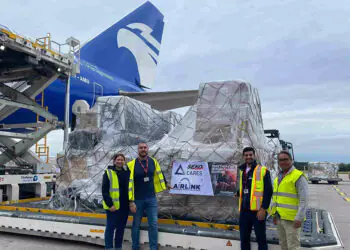
Cargo operations have become a central focus for DFW, contributing over 50% of the airport’s regional economic impact. In 2025, the airport processed 717,757 metric tonnes of cargo, with forecasts indicating a return to over one million tonnes, levels last seen during the pandemic peak. McLaughlin emphasized the synergy between passenger belly cargo and dedicated freighter services, identifying long-haul opportunities such as potential Air India flights linking Delhi to DFW.
The airport’s cargo footprint has been reinforced by recent additions to its international network, including Cathay Pacific, EVA Air, and Royal Jordanian, alongside new American Airlines services to Zurich and Athens. Cathay Pacific notably expanded its operations from four weekly flights to daily service due to robust demand.
Technology, E-Commerce, and Global Trade
McLaughlin highlighted the role of artificial intelligence and robotics in optimizing airspace management, ground operations, and cargo throughput. DFW’s airside central examination centre—the first in the US—enhances customs efficiency, supporting cross-border e-commerce and positioning the airport as a competitive logistics gateway. While de minimis rule changes have slowed certain trade flows from China, McLaughlin sees new opportunities in Latin America-to-India cargo routes.
Preparing for the FIFA World Cup 2026
DFW will also play a crucial logistical role during the FIFA World Cup 2026, hosting nine matches including a semifinal. McLaughlin compared the scale of the event to “nine Super Bowls” and highlighted upgrades to terminals, lounges, and roadways to ensure operational readiness for the influx of international visitors.
Strategic Priorities Ahead
Over the next 18 months, DFW’s priorities are firmly anchored on completing the capital programme and expanding cargo and passenger capacity. “It’s all construction, all the time,” McLaughlin remarked, noting ongoing projects including new train station modules and infrastructure improvements.
By balancing passenger growth with cargo expansion, leveraging technology, and pursuing ambitious infrastructure development, DFW is positioning itself as a future-proof global hub, ready to meet evolving demands in both commercial aviation and air cargo.