
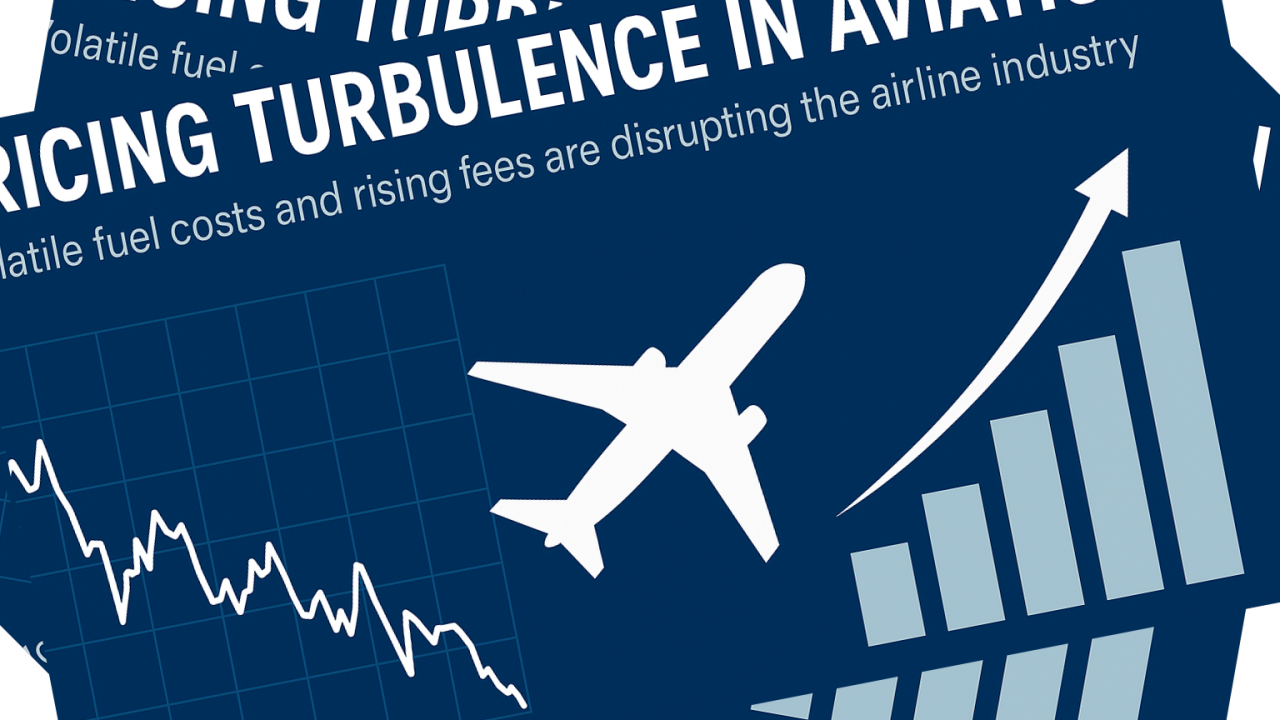
The global aviation supply chain is facing renewed financial strain, with ground handling organisations (GHOs) emerging as one of the most exposed segments. According to the Aviation Services Association (ASA), rising fuel costs are triggering a ripple effect across the industry—intensifying cost pressures while exposing structural imbalances in how financial burdens are distributed.
Airlines, grappling with elevated fuel prices, have responded by implementing passenger surcharges to protect margins. At the same time, they are increasingly pushing cost-reduction demands downstream, placing additional pressure on suppliers such as GHOs. This dynamic has created a challenging paradox: ground handlers are subject to the same inflationary pressures as airlines, yet lack comparable mechanisms to offset them.
Labour remains the single largest cost component for GHOs, accounting for an estimated 50 to 65 percent of operating expenditure. Despite mounting financial stress, operators are resisting calls to reduce workforce levels. The sector continues to feel the aftershocks of the COVID-19 pandemic, when widespread staffing cuts led to significant operational disruptions during the recovery phase. Many skilled workers exited the industry permanently, leaving a talent gap that persists today. For GHOs, maintaining workforce stability is not only a financial decision but a strategic necessity to ensure operational continuity and service quality.
Related Post




The situation is further complicated by ongoing volatility in flight schedules. Reduced frequencies and last-minute changes are placing additional strain on frontline staff while undermining financial predictability and cash flow management. For ground handlers, these uncertainties amplify operational risk and limit their ability to plan effectively.
Against this backdrop, ASA is advocating for a more balanced and collaborative approach across the aviation ecosystem. The association emphasises the importance of shared responsibility, urging airlines and other stakeholders to engage in constructive dialogue aimed at safeguarding the long-term resilience of ground operations.
ASA also underscores its role as a provider of transparent market intelligence, supporting members in making informed, independent commercial decisions. The organisation maintains a clear position on competition compliance, noting that it does not set or coordinate pricing strategies.
As cost pressures continue to build, the sustainability of ground handling services will depend on a more equitable distribution of financial risk—one that recognises the critical role GHOs play in maintaining safe and efficient global aviation operations.