
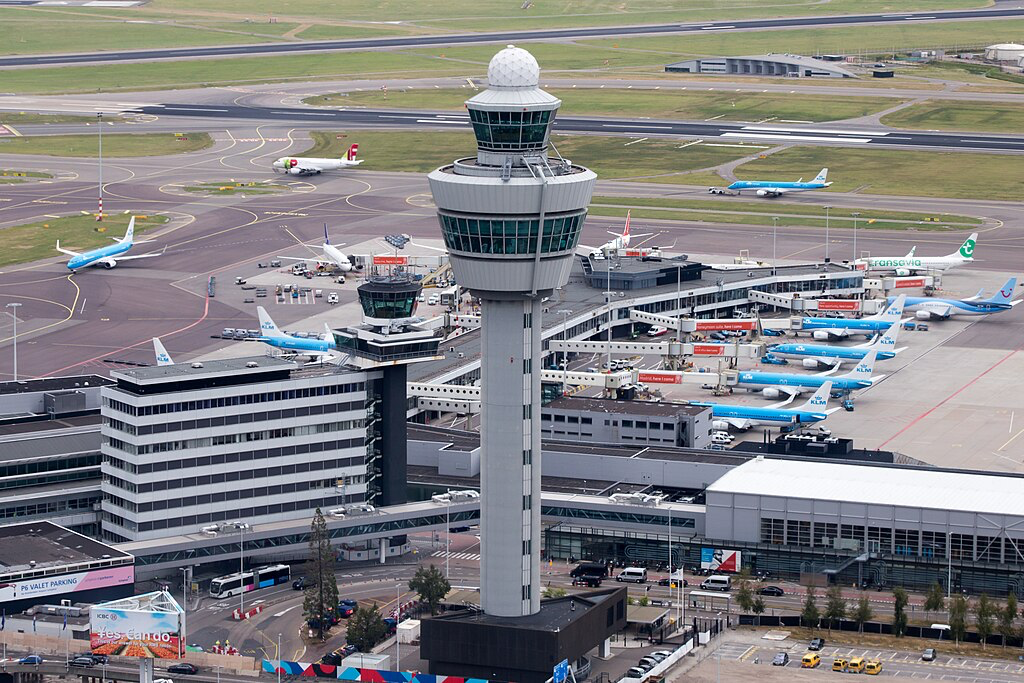
Amsterdam Airport Schiphol has announced a temporary reduction in airport charges for airlines in response to escalating operating costs driven by geopolitical tensions and sharply rising jet fuel prices linked to developments in the Middle East.
The measure introduces a discount of more than 10% on total airport fees, effective from 27 April 2026 through 31 March 2027. The initiative applies exclusively to daytime operations, reflecting Schiphol’s broader policy objective of discouraging night-time movements while maintaining network connectivity during a period of heightened cost pressure across the aviation sector.
Targeted Relief on Landing and Take-Off Charges
According to industry sources, including Air Cargo Netherlands, the discount is structured as a 50% reduction on landing and take-off (LTO) charges, which form a component of total airport fees. When combined with other tariff elements, the effective overall reduction for airlines is estimated at just over 10%.
Related Post




Schiphol stated that the decision was taken in response to an abrupt increase in airline operating costs, particularly fuel expenses, which have surged following instability in global energy markets and disruptions in key maritime and aviation corridors.
The airport emphasised that maintaining international connectivity for the Netherlands remains a strategic priority, particularly for essential passenger and cargo services that support trade, supply chains, and emergency mobility.
Strategic Importance of Aviation Connectivity
Airport authorities noted that a strong aviation sector is closely linked to national resilience, supporting critical functions such as goods transport, food supply chains, and repatriation operations during periods of disruption.
While the fee reduction is expected to have a short-term impact on Schiphol’s financial performance, the airport confirmed that planned infrastructure investments over the next decade will remain unaffected.
Airline Network Adjustments Amid Cost Pressures
The decision comes as European carriers continue to adjust capacity in response to rising fuel costs and broader geopolitical instability affecting global energy supply chains, including tensions in the Strait of Hormuz.
KLM Royal Dutch Airlines, Schiphol’s largest hub operator, has confirmed it will reduce approximately 80 flights to and from Amsterdam over the coming month, representing around 1% of its European short-haul schedule during the period. The airline cited elevated fuel costs as a key factor impacting operational viability on certain routes.
Other major European carriers are also adjusting schedules. Lufthansa recently announced plans to reduce around 20,000 short-haul flights across Europe this summer, citing increased jet fuel costs and operational inefficiencies as primary drivers.
In parallel, restructuring within Lufthansa Group has impacted cargo operations. Lufthansa Cargo has temporarily grounded its Airbus A321 freighter fleet following network adjustments affecting Lufthansa CityLine, which previously operated the aircraft. The broader restructuring includes the removal of 27 aircraft from Lufthansa CityLine’s active fleet as part of a cost optimisation programme.
Industry Outlook
The combination of elevated fuel prices, geopolitical instability, and network rationalisation is placing renewed pressure on European aviation and air cargo operations. While temporary airport fee relief measures such as Schiphol’s initiative may provide short-term operational support, carriers continue to reassess capacity deployment and route profitability across both passenger and cargo segments.
As market volatility persists, industry stakeholders are expected to increasingly focus on cost management strategies, fleet optimisation, and selective network restructuring to maintain operational sustainability.