
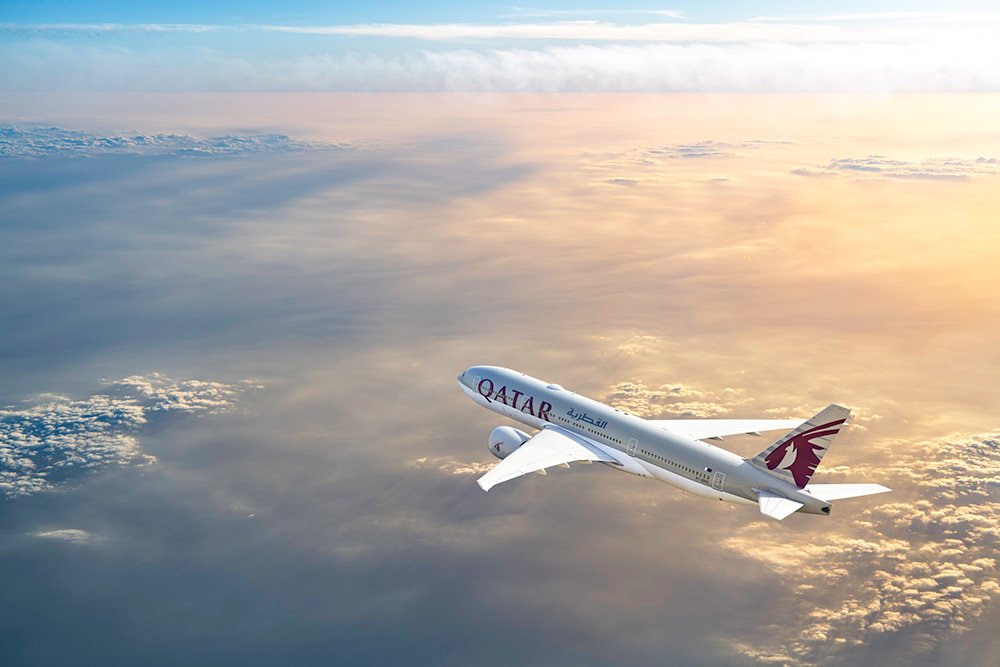
Qatar Airways Cargo has resumed cargo and passenger operations to the United Arab Emirates as part of a broader restoration and expansion of its regional and global network, reinforcing Doha’s role as a key logistics and aviation hub in the Middle East.
The carrier confirmed the reinstatement of freighter services to Dubai World Central (DWC) beginning 26 April with twice-weekly operations, followed by the return of three weekly freighter flights to Sharjah (SHJ) from 1 May. Alongside its dedicated cargo operations, Qatar Airways has also resumed daily passenger services to Dubai (DXB) and Sharjah, restoring significant belly-hold cargo capacity between Qatar and the UAE.
The latest operational update forms part of the airline group’s phased rebuilding of its network following regional disruptions earlier this year. Qatar Airways stated that its freighter network would expand to more than 50 destinations from 1 May, while its passenger and belly-hold network is scheduled to grow to over 150 destinations worldwide from 16 June.
Related Post
The restoration of UAE services is expected to provide additional capacity for regional cargo flows, including express freight, pharmaceuticals, perishables and e-commerce shipments moving through Doha’s Hamad International Airport and onward into international markets.
In a further boost for specialised cargo operations, the carrier confirmed that the embargo on VIC – Q-Prime Urgent Critical Cargo was lifted on 23 April. The premium product offers priority uplift on capacity-constrained flights and continuous shipment monitoring through Qatar Airways Cargo’s Control Tower operations, supporting time-sensitive and mission-critical consignments.
From 1 May, the airline also reinstated booking availability for selected specialist cargo products, including QRLIV services covering live animals and related special handling categories such as AVF, AVM and DOC, as well as LHO shipments for live human organs and blood transport.
The airline said all other Qatar Airways Cargo products remain available through its standard booking channels, including its Digital Lounge platform and regional cargo sales offices, with cargo capacity continuing to open across the expanding network.
The renewed UAE operations underline the strategic importance of Gulf air corridors for regional and intercontinental cargo connectivity. Dubai and Sharjah remain among the region’s most important logistics gateways, linking Middle Eastern trade flows with Asia, Europe and Africa through integrated freighter and belly-hold networks.
The restoration also reflects improving operational conditions across the region following earlier airspace and flight disruptions that affected several Middle Eastern carriers and airports during the first quarter of the year.
Qatar Airways has continued progressively rebuilding its international operations throughout 2026, with additional route resumptions recently announced across the Middle East and wider global network.