

Airlink, Royal Brunei Airlines, Gulf Air, TAAG, EL AL, Philippine Airlines and Riyadh Air strengthen global initiative with more than 110 carriers now contributing operational emissions data
The International Air Transport Association (IATA) has further expanded its global carbon emissions transparency initiative with the addition of seven airlines to its IATA CO2 Connect platform, marking another important milestone in the aviation industry’s drive toward more accurate, standardised, and data-driven environmental reporting.
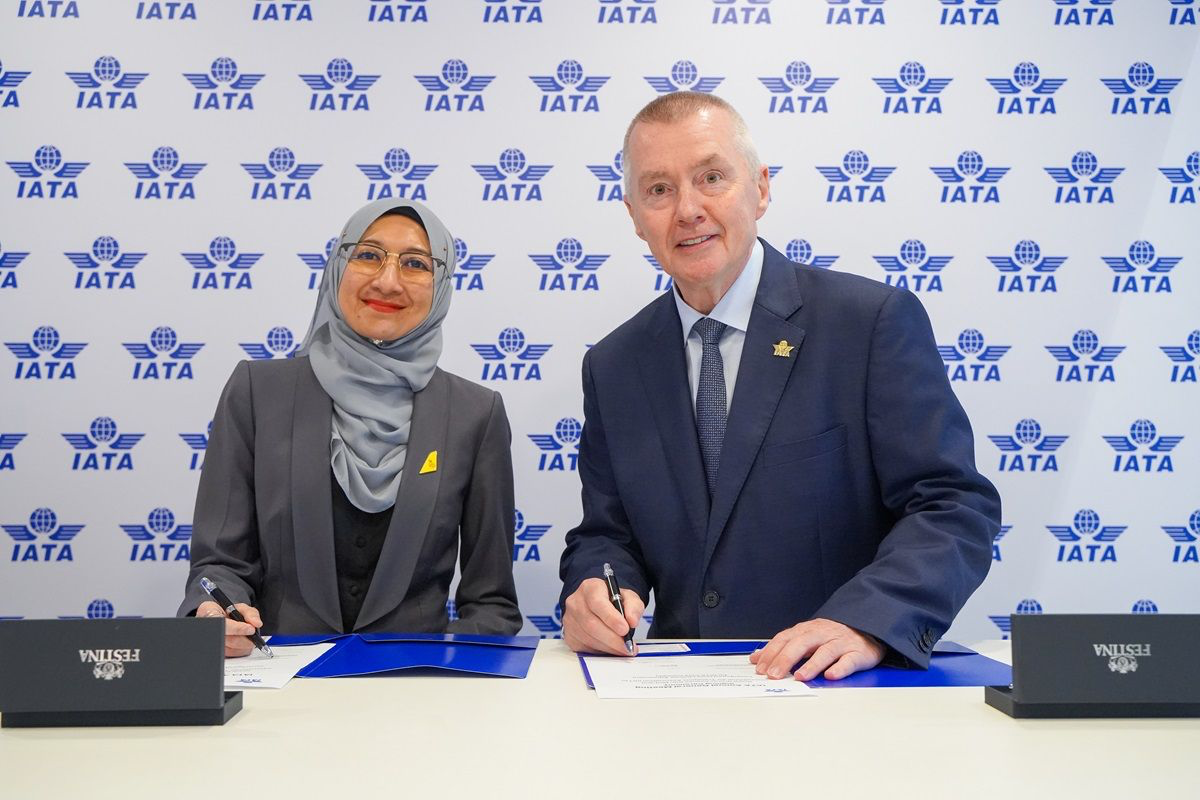
The latest airlines to join the programme include Airlink, Royal Brunei Airlines, Gulf Air, TAAG Linhas Aéreas de Angola, EL AL Israel Airlines, Philippine Airlines, and Riyadh Air. The announcement was made during IATA’s Annual General Meeting held in Rio de Janeiro, highlighting the growing industry commitment to improving the quality and consistency of flight emissions data available to passengers, corporate customers, and cargo stakeholders.



With the inclusion of these carriers, more than 110 airlines now contribute operational data to IATA CO2 Connect, significantly expanding the platform’s global coverage and enhancing the accuracy of emissions calculations across the aviation ecosystem.
Unlike traditional carbon estimation models that rely on generic industry averages, IATA CO2 Connect uses real operational data supplied directly by participating airlines. This includes aircraft-specific fuel consumption information, route characteristics, and operational performance data, enabling more precise calculations of carbon emissions associated with individual flights.
The initiative plays a critical role in supporting transparency throughout the travel and logistics value chain. By integrating verified emissions information into booking channels, travel management companies, online booking platforms, and corporate procurement systems can provide customers with reliable flight-specific carbon footprint data at the point of purchase.
For the air cargo industry, the increased adoption of standardised emissions reporting is particularly significant as freight forwarders, shippers, and logistics providers face growing pressure to measure, manage, and reduce Scope 3 emissions across their global supply chains. More accurate emissions data enables businesses to make better-informed decisions regarding transport choices and supports wider sustainability objectives.
The continued expansion of IATA CO2 Connect reflects the aviation sector’s broader efforts to establish a common methodology for carbon accounting and to build greater trust in emissions reporting. As sustainability increasingly influences purchasing decisions and corporate logistics strategies, access to transparent and comparable emissions information is becoming an essential component of modern aviation services.
By bringing together more than 110 airlines under a single data-driven framework, IATA CO2 Connect is helping create a more consistent approach to environmental reporting, supporting airlines, passengers, cargo customers, and digital booking providers in their transition toward a more sustainable aviation future.