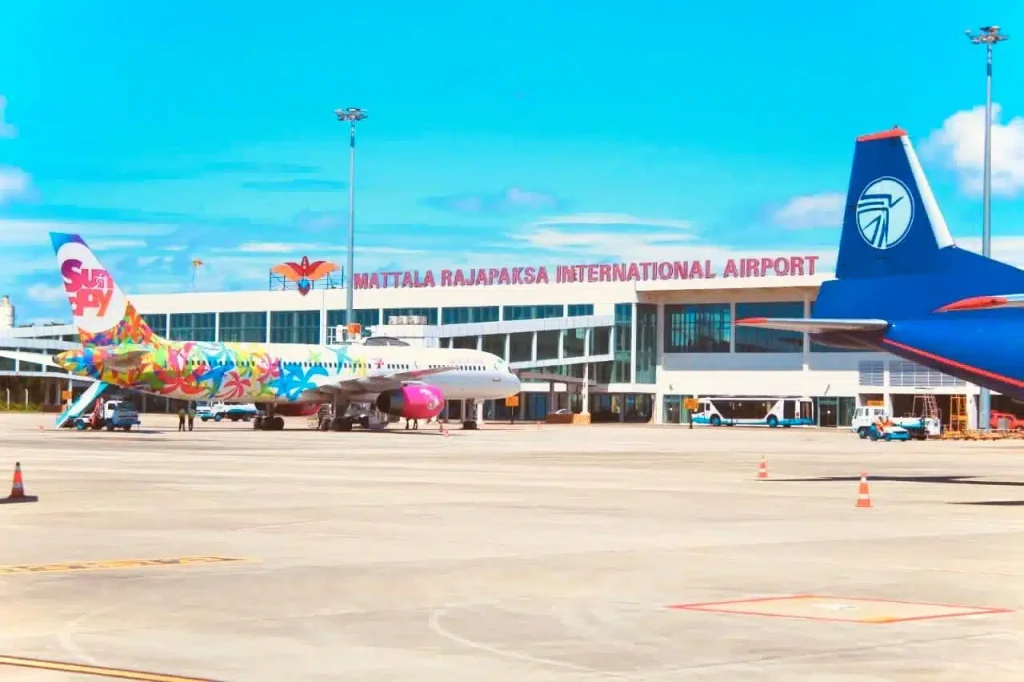
Mattala Rajapaksa International Airport is being pitched as a strategic contingency hub for Gulf carriers navigating the ongoing Middle East airspace crisis, which has disrupted operations at key regional airports including Dubai International Airport, Hamad International Airport, and Zayed International Airport.
Sri Lanka’s government highlighted Mattala as a viable alternative for long-haul operations amid the closure of civilian airspace over Iran, Iraq, Israel, Qatar, and parts of the United Arab Emirates. The airport’s southern coastal location positions it along critical East–West Indian Ocean flight corridors while remaining outside conflict zones, offering airlines a safe diversion and transit option.
Airport Infrastructure Supports Widebody Operations
Opened in 2013, Mattala Rajapaksa International Airport was designed as Sri Lanka’s second international airport to relieve congestion at Bandaranaike International Airport and strengthen the country’s aviation and logistics capabilities. The airport features a 3,500-metre runway capable of accommodating large widebody aircraft including Airbus A350s, Boeing 777s, and A380s—aircraft central to Gulf carrier fleets.

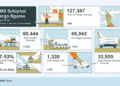


Despite this, the airport has struggled to attract regular traffic due to its remote location over 200 km from Colombo and limited surrounding economic and tourism density. Nevertheless, Mattala has developed operational experience with diverted flights, charter services, and medical evacuations, making it a practical option for emergency or temporary rerouting.
Strategic and Economic Considerations
Officials estimate that disruptions in Middle Eastern airspace have contributed to a 20–25% drop in tourist arrivals to Sri Lanka, equating to an approximate US$40 million revenue shortfall. Establishing contingency operations at Mattala could partially offset these losses while generating additional income through fuel sales, ground handling, and temporary crew accommodations.
To function effectively as a contingency hub, experts note that Mattala will require sustained investment in runway and taxiway maintenance, reliable jet fuel supply, expanded ground-handling capacity, and coordinated air traffic management. Diplomatic considerations, including securing overflight permissions from multiple Middle Eastern states, remain critical to operational feasibility.
Contingency Planning and Long-Term Outlook
Mattala is formally included in Sri Lanka’s civil aviation contingency frameworks, with plans emphasizing passenger facilitation, operational readiness, and technical support for large aircraft. The airport’s existing cargo infrastructure and ability to handle high-value or sensitive shipments further enhance its strategic value to international carriers seeking flexible routing options.
As Gulf carriers seek reliable alternatives to disrupted hubs, Mattala offers a combination of runway capacity, operational experience, and geographic positioning. While challenges remain, the proposal underlines Sri Lanka’s ambition to leverage underutilised aviation assets to support regional connectivity and economic resilience during periods of geopolitical volatility.