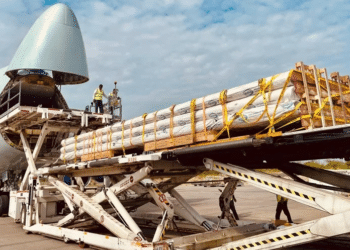

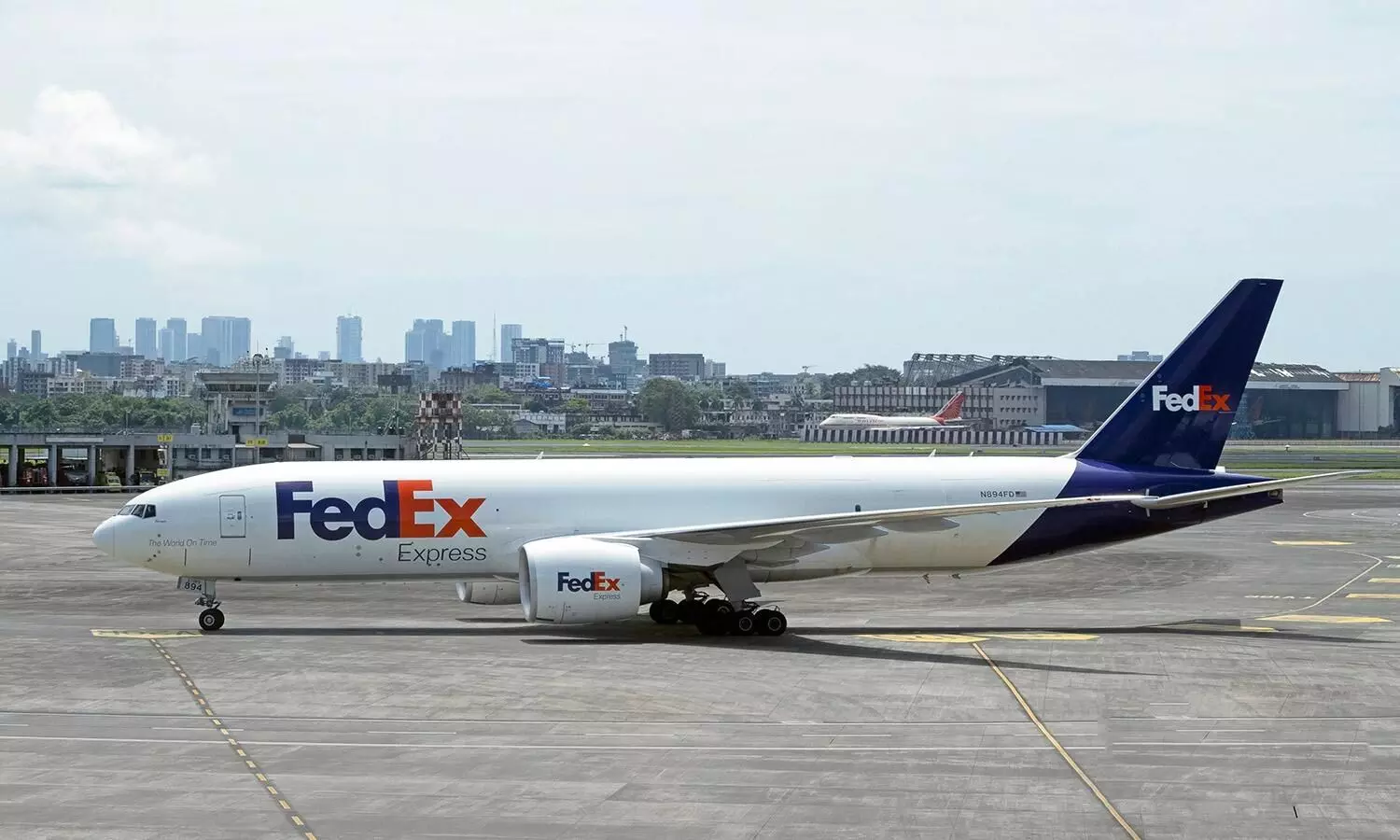
Mumbai’s freighter cargo operations are set for a ten-month suspension, a move aimed at upgrading critical airside infrastructure at Chhatrapati Shivaji Maharaj International Airport (CSMIA) while redirecting traffic to the newly inaugurated Navi Mumbai International Airport (NMIA). The pause, scheduled from August 2026 to May 2027, marks a significant shift in India’s air cargo landscape, prompting operators to navigate both logistical opportunities and operational challenges.
Infrastructure Upgrade Necessitates Freighter Suspension
Mumbai International Airport Limited (MIAL), part of the Adani Group, formally notified stakeholders in late December 2025 that the suspension is required to re‑carpet Runway 09/27, reconstruct the aging cargo apron, and build Taxiway E to eliminate aircraft crossings on the secondary runway. Initial proposals for the suspension were raised in early 2025, but industry pushback delayed implementation until now.
CSMIA handled 860,000 tonnes of cargo in 2025, with freighters accounting for 260,000 tonnes, representing nearly 31% of total throughput. Key operators include DHL, FedEx, Qatar Airways, and Cathay Pacific.


Shippers Look to NMIA
With freighters unable to operate at CSMIA, the newly opened NMIA is poised to absorb a significant portion of Mumbai’s cargo traffic. Opened in December 2025, NMIA has been designed as a cargo-focused logistics hub, with initial capacity projected at 500,000 tonnes per year and plans to scale to 3.2 million tonnes annually, positioning Mumbai to compete with global cargo hubs like Dubai, London, and New York.
However, industry executives caution that the supporting ecosystem at NMIA is still developing. “The airport currently lacks established road feeder services and domestic air connectivity,” said Abhishek Goyal, CEO & Executive Director of Aeroprime Group. “This will take time to mature, and shippers may need to rethink local logistics planning in the interim.”
Vikash Khatri, founder of Aviral Consulting, emphasized that a functional cargo ecosystem extends beyond airport terminals. “Airlines, freight forwarders, ground handling agents, customs brokers, technology systems, and strong road connectivity are all essential,” he said. “At present, the focus is largely on infrastructure, while the broader ecosystem is still evolving.”
Operational and Regulatory Challenges
Logistics operators are bracing for operational hurdles, including security protocols, customs registration, cargo screening, and manpower relocation. “Most skilled personnel are concentrated around CSMIA, and moving them to Navi Mumbai will be a significant challenge,” Khatri noted.
Prithviraj Singh Chug, CEO of Group Concorde, highlighted regulatory uncertainties. “Customs clearance processes and cargo security standards at NMIA need to be established well before operations commence to prevent disruptions,” he said.
Richard Theknath, Chairman and Managing Director of Jet Freight Logistics, raised concerns about contingency operations. “In Mumbai, cargo can quickly be rerouted via alternative airlines or belly capacity. At the new airport, bonded transfer systems and domestic connections will be critical to maintain operational flexibility,” he explained.
Balancing Disruption and Opportunity
While the transition poses short- to medium-term challenges, industry stakeholders agree that NMIA offers long-term strategic advantages. With modern facilities, expanded capacity, and a focus on logistics integration, the airport is expected to strengthen Mumbai’s position as India’s premier cargo hub. The immediate priority, however, remains ensuring a smooth operational shift without interrupting cargo flows or service levels for shippers.
The pause at CSMIA and the gradual ramp-up at NMIA represent both a test and an opportunity for Mumbai’s cargo ecosystem, highlighting the interplay between infrastructure upgrades and the broader logistics framework required to sustain global supply chain connectivity.