

Global K9 (GK9) is urging UK regulators to modernise air cargo screening regulations, arguing that current rules are forcing aerospace shipments to be transported overseas for security checks—adding unnecessary costs, extra road journeys and avoidable carbon emissions to the supply chain.
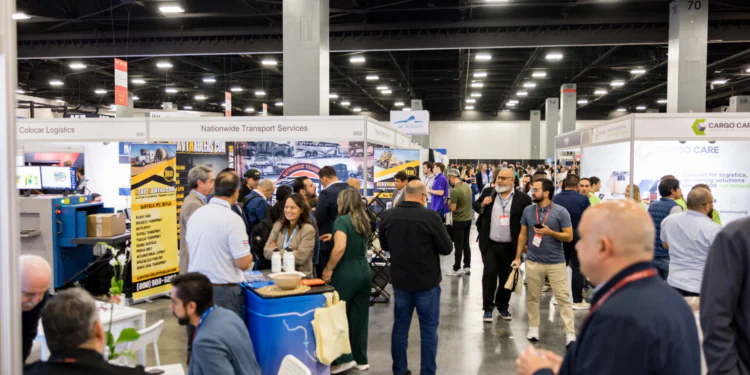
Speaking at Multimodal 2026 in Birmingham, Chris Daniels, Chief Commercial Officer of Global K9, said the UK’s current regulatory framework has not kept pace with advances in canine screening technology, despite similar procedures already being accepted in several international markets.
His comments come as the air cargo industry continues to look for ways to improve efficiency, reduce environmental impact and maintain the highest levels of aviation security.
Related Post




Aircraft engines taking an unnecessary detour
According to Daniels, one of the clearest examples is the movement of aircraft engines.
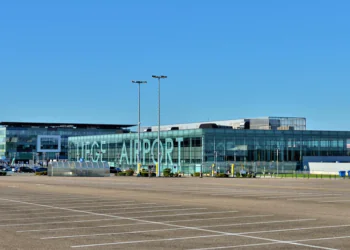
Under current UK regulations, aircraft engines cannot be screened domestically using certified canine detection teams. As a result, these shipments are routinely trucked to European airports such as Liège and Brussels, where explosive detection dogs are authorised to carry out the screening process under European regulations.
Once screened in Europe, the same cargo can then be accepted by UK authorities as screened cargo.
Daniels believes this process creates unnecessary complexity for exporters while increasing both transport costs and emissions.
“Aerospace cargo in the UK currently goes on a costly and polluting detour,” he said.
“Despite canine screening for aircraft engines being adopted in other countries and supported by experienced screening providers, regulation has not yet caught up with operational capability.
We need policy to reflect what is possible, and what is beneficial for the industry, while maintaining safety as the absolute priority.”
Proven capability already in operation
Global K9 has steadily expanded its operations across Europe in recent years.
Since launching its European business in December 2024, the company has established operations in the United Kingdom, Belgium and the Netherlands, deploying its Free Running Explosive Detection Dogs (FREDDs) at London Heathrow Airport, London Gatwick Airport and Aberdeen International Airport.
The company specialises in canine screening solutions for air cargo and other high-security environments, using trained detection dogs to identify explosive threats while supporting secure cargo handling.
Experience from the United States
Daniels also pointed to the company’s experience in the United States, where Global K9 has worked closely with the Transportation Security Administration (TSA) to help develop cargo screening procedures using certified canine teams.
The company says it became the first organisation to operate a TSA-approved Certified Cargo Screening Facility–K9 (CCSF-K9), providing valuable operational experience that could help inform future regulatory developments elsewhere.
Drawing on that experience, Daniels said closer collaboration between regulators and industry would allow the UK to modernise its screening framework without compromising aviation security.
Opportunity to strengthen UK competitiveness
Global K9 believes allowing certified canine screening for aircraft engines within the UK would deliver benefits across the aerospace and air cargo sectors.
Keeping the screening process within the country would reduce unnecessary cross-border trucking, lower transport costs for exporters and manufacturers, and improve the efficiency of UK supply chains.
It would also help retain more cargo screening activity within the domestic market while reducing vehicle movements associated with transporting freight overseas purely for regulatory compliance.
Supporting sustainability goals
Beyond operational efficiencies, Daniels said updating the regulations could also contribute to wider sustainability objectives.
“Logistics is one of the largest contributors to transport emissions,” he said.
“Where safe, secure alternatives exist that reduce unnecessary movements, we have a responsibility to explore them.”
He added that Global K9 is keen to work with UK authorities to examine how existing regulations could evolve alongside proven screening technologies.
“Global K9 would welcome the opportunity to work alongside UK regulators to help deliver the safest, most effective and most efficient cargo screening methods available.”
Balancing security with operational efficiency
Aviation security remains one of the most tightly regulated areas of the air cargo industry, and any changes to screening procedures require rigorous oversight and regulatory approval.
However, as supply chains continue to evolve and the industry seeks to reduce costs and carbon emissions, operators are increasingly calling for regulations to reflect technologies and practices that have already been successfully adopted in other markets.
For Global K9, modernising aerospace cargo screening rules represents an opportunity to improve efficiency without compromising security—an outcome the company believes would benefit exporters, airlines and the wider UK air cargo industry.