
Global aircraft maintenance, repair and overhaul (MRO) activity continues to show a pronounced and sustained concentration around legacy narrowbody platforms, with March trading data from Locatory.com highlighting persistent demand cycles centred on the Boeing 737 Next Generation and Airbus A320ceo families.
The data indicates that sourcing behaviour across the aftermarket is increasingly defined by mature fleet dynamics, where extended aircraft utilisation, ageing engine architectures, and tightening component availability are shaping procurement strategies. Demand remains heavily anchored in CFM56 and V2500 engine ecosystems, confirming that these platforms are firmly entrenched in the lifecycle phase characterised by heavy maintenance dependency and replacement-driven MRO activity.
CFM56 engine family dominates global parts demand
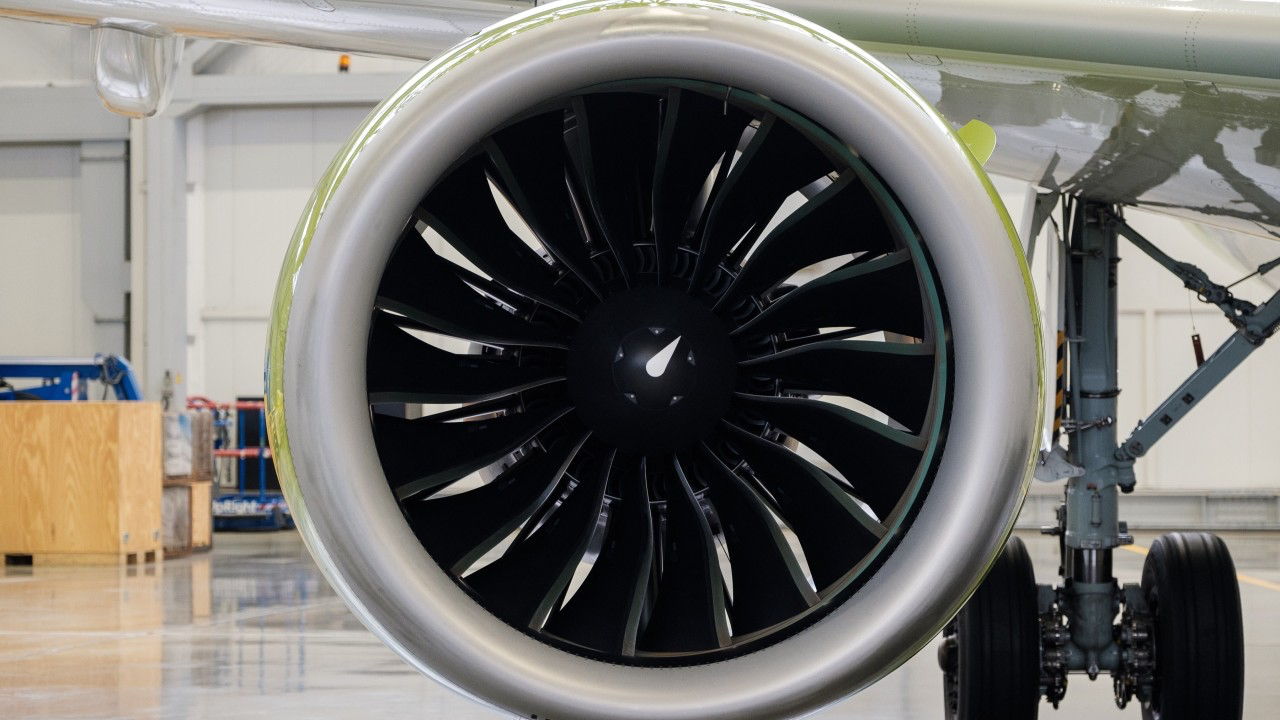
A detailed breakdown of the most searched components shows that more than 60 percent of total demand is directly linked to the CFM International CFM56-7B platform. The strongest concentration is observed in high-pressure compressor (HPC) and turbine hardware, signalling ongoing deep shop visit activity rather than light maintenance cycles.
Related Post



Frequently searched parts include the Stage 3 HPC rotor disk (2116M23P01), HPC Stage 1–2 spool assemblies (1558M31G07), HPC Stage 4–9 spool components (2048M20G03 and 2048M20G05), and HPC front shaft (1386M56P03). These components are typically associated with life-limited part replacement and performance restoration programmes, indicating engines reaching mid-to-late overhaul thresholds.
Demand is equally strong in the hot section, where Stage 1 high-pressure turbine (HPT) rotor blades (2100M96P05), HPT disks (1498M43P07 and 2410M49P01), and rear rotor shafts (1864M90P04) feature prominently. The presence of turbine clearance control valves and related assemblies further reinforces the trend toward efficiency recovery workscopes aimed at restoring fuel burn performance under sustained cost pressure.
Fuel system and control units reflect high utilisation rates
Beyond rotating hardware, fuel system components remain a consistent driver of aftermarket activity. Hydromechanical units (8061-536, 442653), fuel metering units (8061-639), and fuel control units (441921-5) are among the most frequently sourced items, reflecting the operational reality of high aircraft utilisation rates across global narrowbody fleets.
The parallel presence of demand within the IAE V2500 ecosystem, particularly fuel metering and control systems, indicates synchronised maintenance cycles across both dominant engine families powering the global single-aisle fleet.
Widebody demand remains stable but selective
While narrowbody platforms dominate overall activity, widebody demand continues to show stable but targeted sourcing patterns. Aircraft systems linked to the Airbus A330 and Airbus A340 families feature in search data, including escape slide systems, brake temperature monitoring units, and windshield assemblies.
Within the Boeing 777 fleet, demand is concentrated in cabin systems and lighting components, including sidewall lighting units, alongside selected flight system parts. This suggests a maintenance environment focused on sustaining operational readiness rather than large-scale structural overhaul.
Supply chain constraints extend across critical and commoditised parts
Locatory.com’s analysis of hard-to-find components highlights persistent supply-side pressure across both high-value rotating assets and standard consumables. Critical engine modules such as HPC spools and HPT disks are increasingly constrained, reflecting limited teardown availability and extended repair turnaround times across global MRO facilities.
However, supply bottlenecks are not confined to complex components. A significant share of shortages is also observed in standard hardware and consumables, including self-locking nuts, tee fittings, bolts, gaskets, and sealing elements. These items, despite their low unit value, continue to exert disproportionate operational impact, with shortages capable of grounding aircraft as effectively as major engine components.
Cabin and avionics demand signals fleet life extension strategies
Hard-to-source cabin components, including seat pan assemblies, structural panels, and interior track systems, point toward ongoing cabin refurbishment programmes. These activities are consistent with airline strategies aimed at extending asset life while maintaining passenger experience standards across ageing fleets.
In parallel, avionics shortages—including electronic engine control units and primary flight control computers—highlight extended repair cycles and limited certified repair capacity. These constraints continue to affect fleet availability when demand spikes occur simultaneously across multiple operators.
Market outlook: structural aftermarket cycle persists
March data confirms a market operating under structurally tight conditions, where ageing narrowbody fleets continue to dominate demand while supply chain fragility extends across both complex and basic components. The imbalance between demand and available serviceable material is reinforcing longer lead times, higher procurement complexity, and increased reliance on exchange pools and secondary sourcing channels.
Strategic implications for the aftermarket
For suppliers, CFM56-7B rotating components remain a high-value opportunity segment, particularly in compressor and turbine modules where demand remains structurally strong. Repair capability expansion and teardown partnerships are becoming critical competitive levers.
Distributors are increasingly required to reassess inventory strategies, as even commoditised hardware is exhibiting elevated turnover risk and volatility. For operators and MRO providers, early procurement planning and diversified sourcing strategies are emerging as essential risk mitigation tools in a constrained supply environment.
Overall, the aftermarket continues to reflect a mature fleet cycle defined by sustained utilisation, ageing assets, and persistent supply-side pressure across both engine-critical and ancillary systems.